Quikcell Product Videos

Overview
Tools
Problem
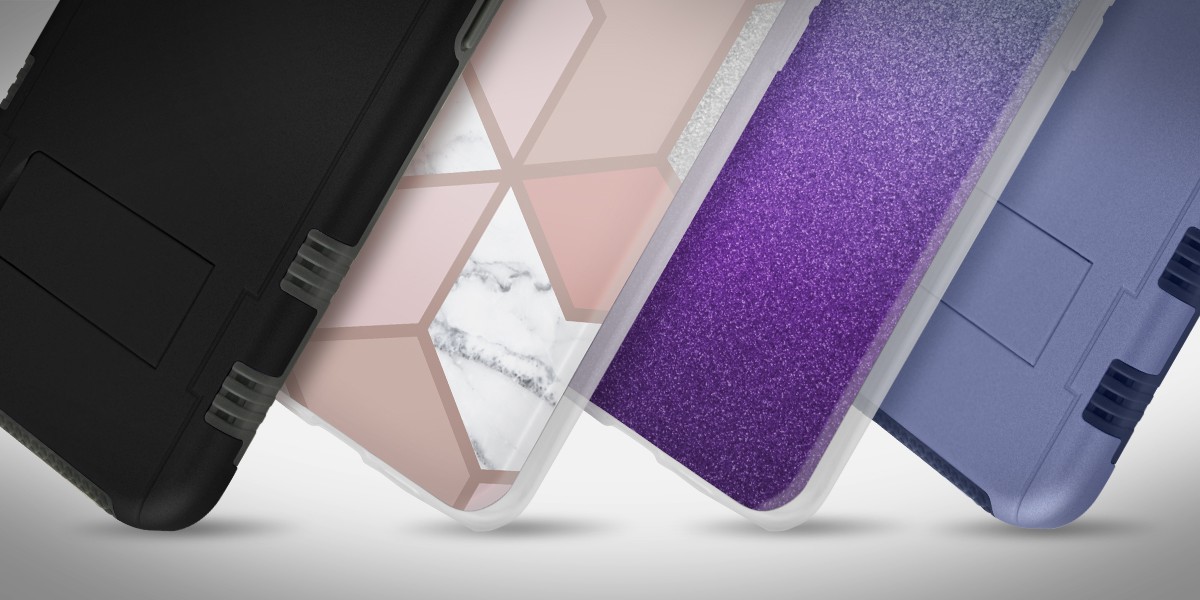
Quikcell's product launches relied heavily on static imagery, which made it difficult to communicate what made the products worth owning. In a saturated accessories market, still photography alone couldn't convey the texture, finish, and form of the products in a way that competed for attention at trade shows, in digital campaigns, or across brand touchpoints. The brand needed motion.
Process
After the proposal was approved, I began teaching myself Keyshot independently. The first couple of months were dedicated to learning the fundamentals — lighting setups, material properties, camera movement, and render settings — while working toward output quality that could actually ship. Once I reached that threshold, the work became a core part of the brand's production pipeline.
From there I developed a storyboarding process for animated sequences, working out camera angles, pacing, and product framing before moving into rendering. Static scenes and animated sequences were developed in parallel depending on the deliverable, then composited and edited in After Effects and Premiere to produce final campaign-ready assets.


Solution
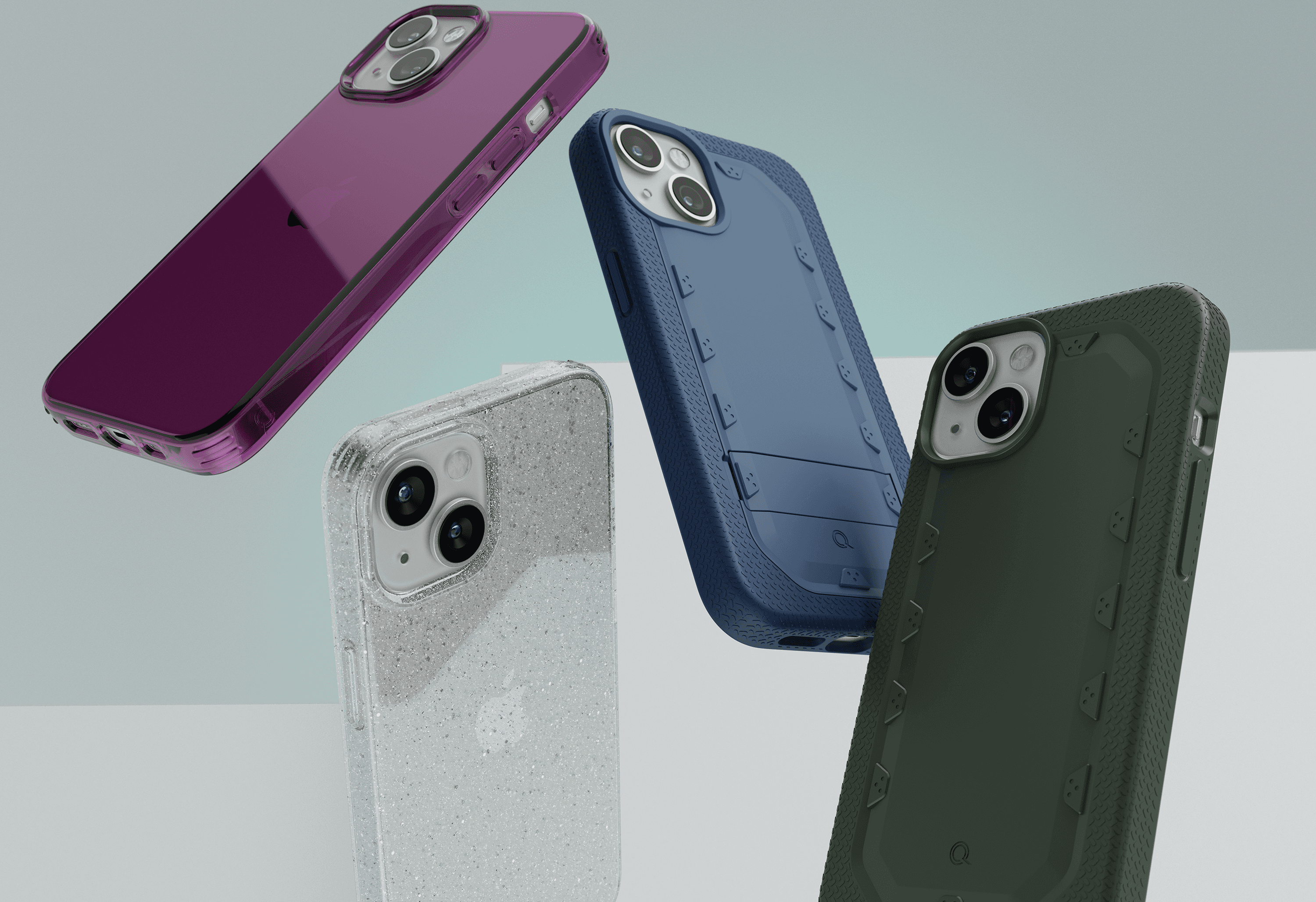
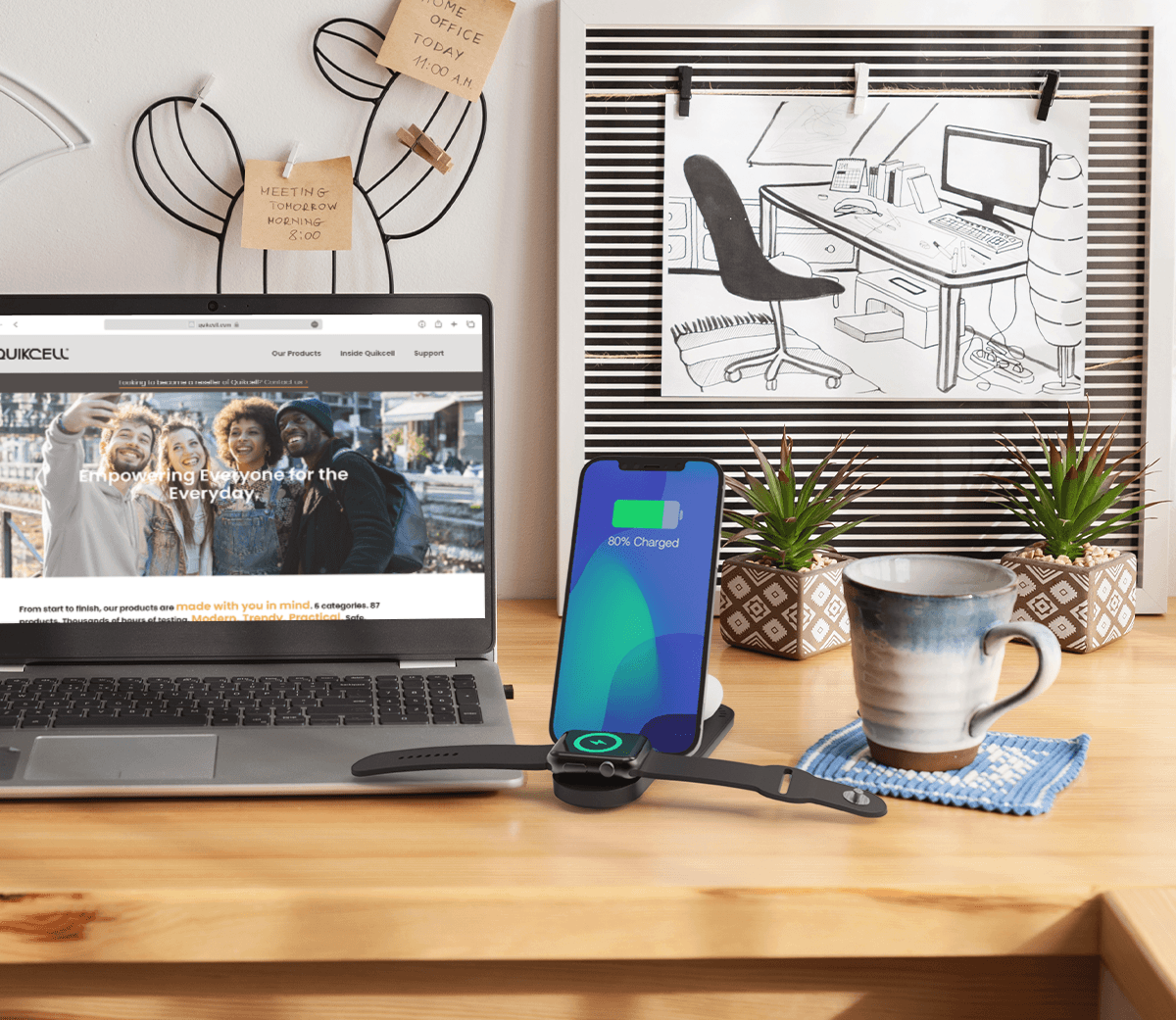
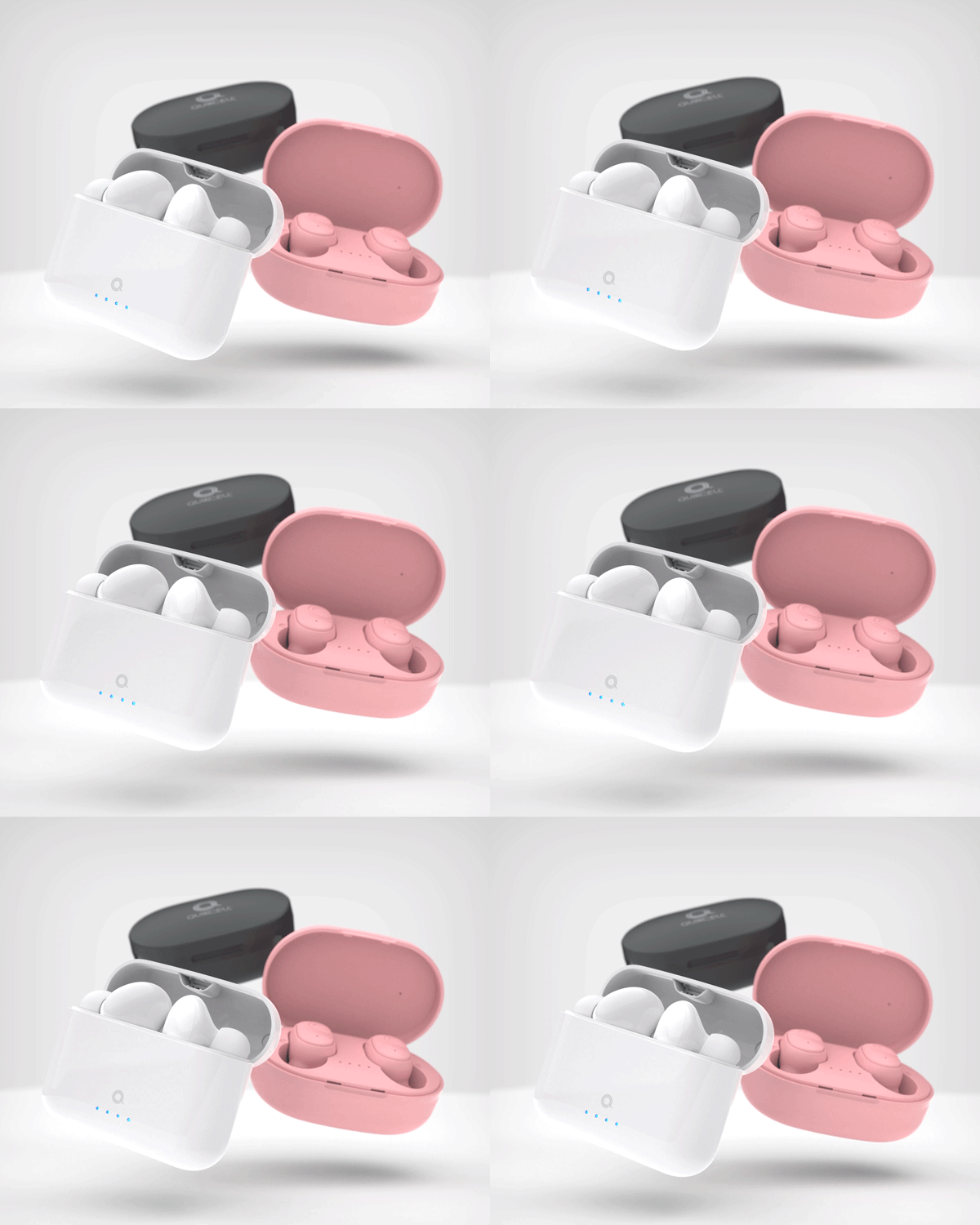
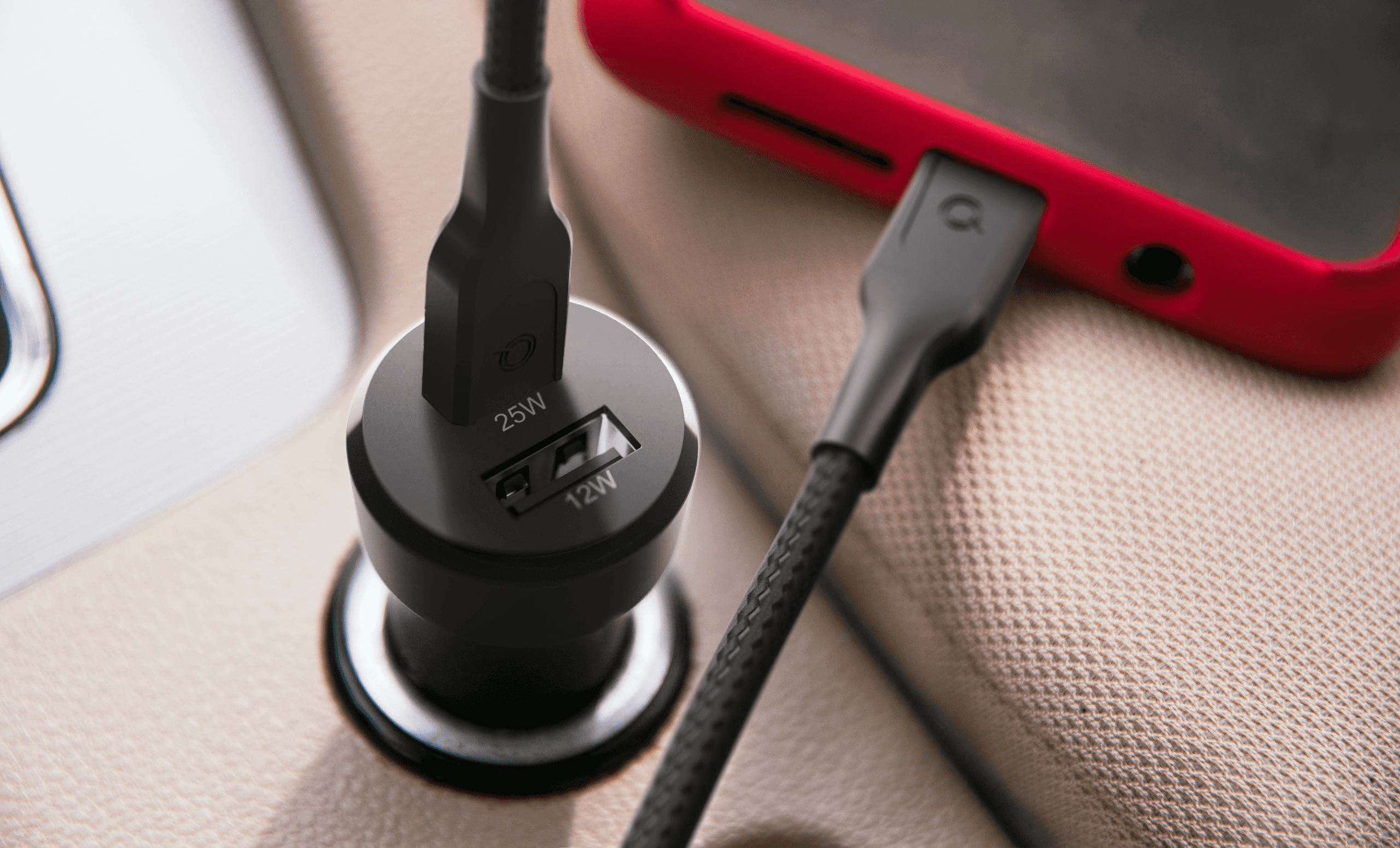
The addition of 3D rendering and motion capability changed what the brand could say visually. Product finishes, materials, and form could now be shown in ways that photography couldn't capture on its own. Animations gave launch materials and trade show graphics a level of polish and dynamism the brand hadn't had before. The Keyshot renders became a consistent part of the visual system, appearing across digital campaigns, packaging, and tradeshow displays including the Telementum CES booth.
Impact
Leadership loved the results. What started as a self-initiated proposal became a permanent part of the team's creative output, with 3D renders and animations now used consistently across the brand's marketing and launch materials.